Lane.One: production voice AI with quality built into delivery.
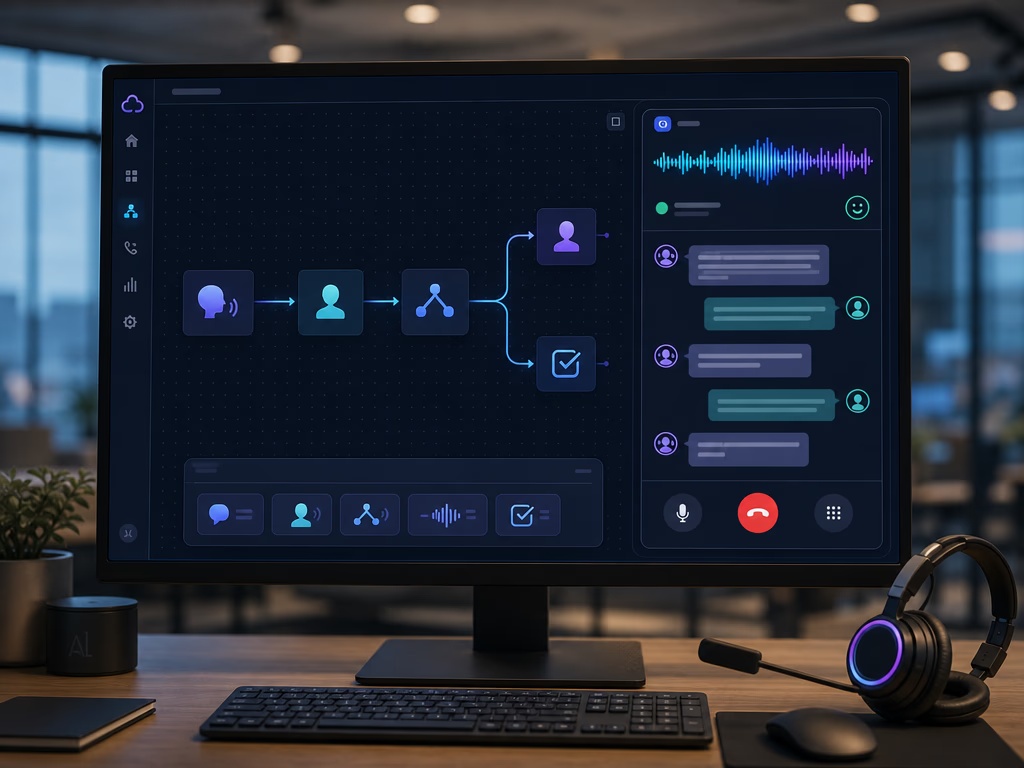
We helped Lane.One evolve its voice engine into a secure platform for deploying and operating AI agents. The work connects real time conversations, tool execution, agent orchestration and customer controls, with automated evaluations checking behaviour before release.
- Client
- Lane.One
- Sector
- Enterprise voice AI
- What we built
- A production voice AI platform with automated evaluation
- Headline outcome
- 400+ automated tests protecting the voice layer
A voice product exposes the mistake immediately.
A delayed response feels unnatural. A broken tool call interrupts the conversation. A weak prompt or an unsafe release can affect every customer using that agent. Lane.One needed to expand its product without making production the place where those failures were discovered.
The platform also needed more than a conversation engine: partner and customer permissions, secure integrations, versioned deployments and workflows before, during and after a call. Quality needed to become a repeatable part of the delivery system.
From the live call to the platform around it.
Production voice and call state management
The voice layer handles bidirectional audio, format conversion, real time session state and analytics. A public Lane.One live call example demonstrates latency below 400 milliseconds.
Multi agent and workflow orchestration
Dynamic agent switching preserves conversation context, with permissions and loop protection. Pre call, in call and post call workflows support checkpointing, scheduling and safe retries.
Secure tool execution and tenant controls
REST, SQL and OAuth2 integrations sit behind authentication, rate limits, execution controls and audit logs. Tenant isolation, role based access and versioned deployments support the partner and customer hierarchy.
Automated evaluation as part of release
Reusable tests assess prompts, tools, personas and complete conversation flows. Development checks combine AI judging with deterministic assertions; tenant scoped platform suites record historical quality and regression trends.
Test behaviour, not only the code path.
Simulate callers and inspect failures
Repeatable conversation tests evaluate the expected outcome and surface inconsistent behaviour before a release.
Keep the call observable
Structured logs, session context, crash safe analytics and health checks help the team understand what happened in production.
Protect external dependencies
Regional failover, circuit breakers and execution controls support resilient API and tool interactions.
A focused engineering team around the product outcome.
The team worked across voice architecture, AI behaviour, frontend and operations. Automated tests and evaluations protected quality while AI assisted engineering accelerated implementation.
- 01
Define expected behaviour
Capture the conversation, tools and outcome the agent should deliver.
- 02
Evaluate repeatedly
Simulate callers, run AI and deterministic checks, and inspect the failures.
- 03
Release with controls
Connect evaluations to versioned deployments and keep production observable.
A platform that can expand without bespoke QA for every agent.
automated tests protecting the voice layer
AI calls handled annually across the platform
companies using Lane.One
Call volume and company count describe platform scale in the supplied project account. The sub-400ms figure is from a public live call example, not an end to end latency guarantee for every call.
A few useful
questions.
What makes evaluation different from a test call?
The evaluation system uses repeatable cases, simulated callers, expected outcomes and historical results. It can check regressions as prompts, tools and versions change.
Does the platform isolate customer deployments?
The delivery includes multi tenant controls, tenant scoped evaluations, role based access and versioned deployments across the partner and customer hierarchy.
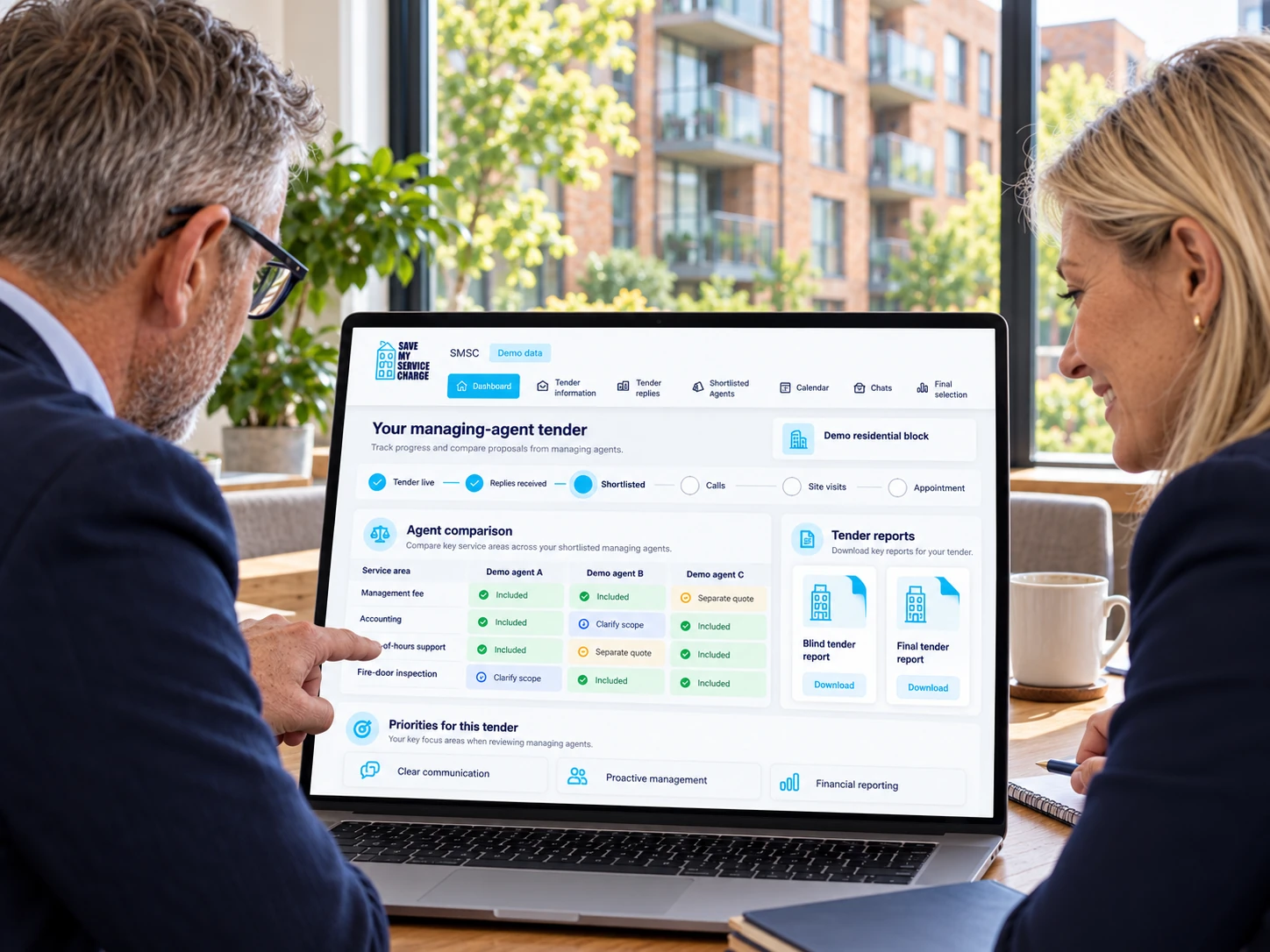
A custom property platform connecting onboarding, tender selection, follow up and payments.
Read the case study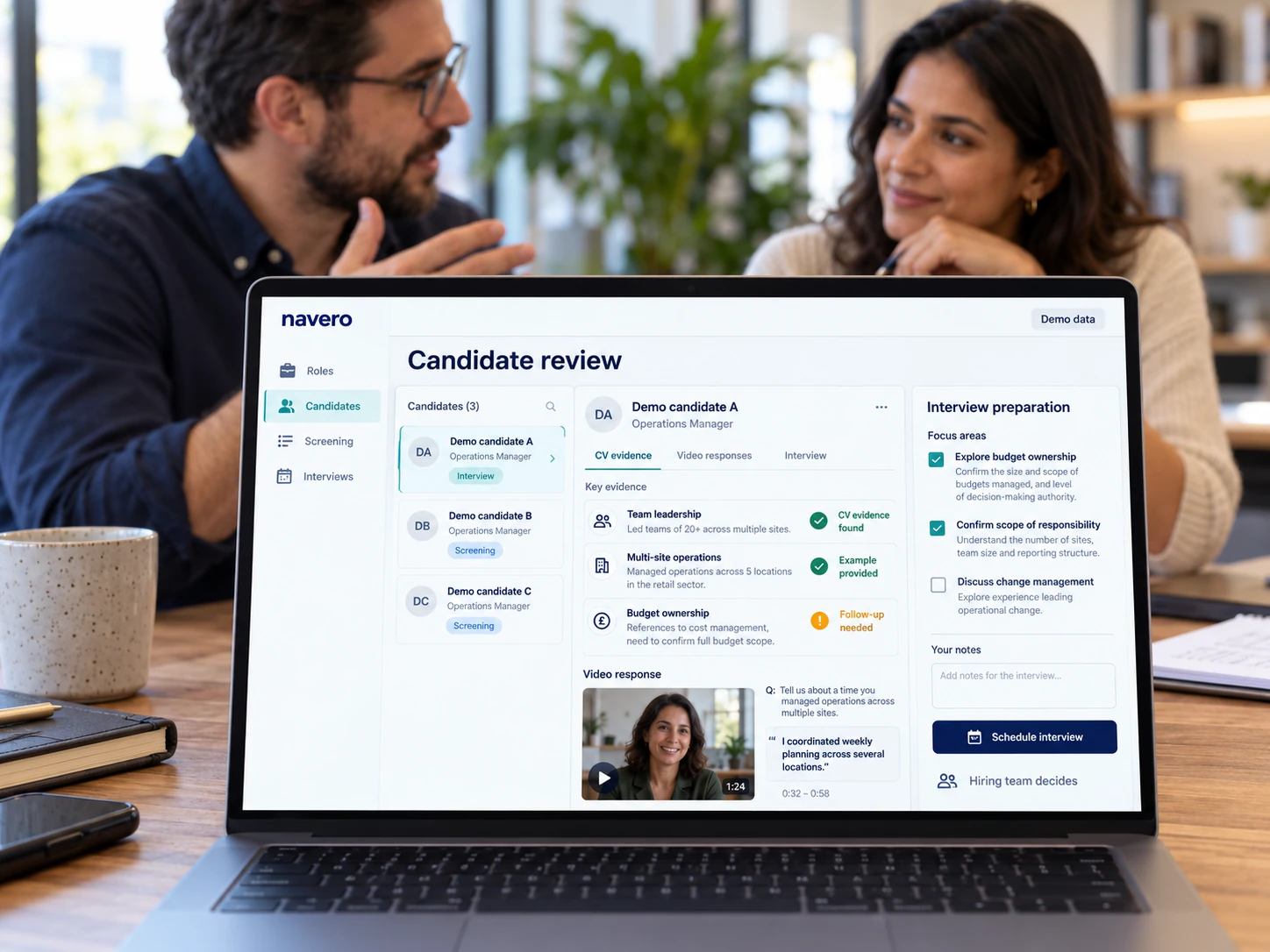
Implementing AI screening and automated recruiter workflows from application to interview.
Read the case studyCan you ship the next voice agent without starting its QA from scratch?
From the first proof to a working implementation. We’ll explore the workflow, the systems involved and a practical first build.