OmniFleet: drivers, vehicles and dispatch in one operational picture.
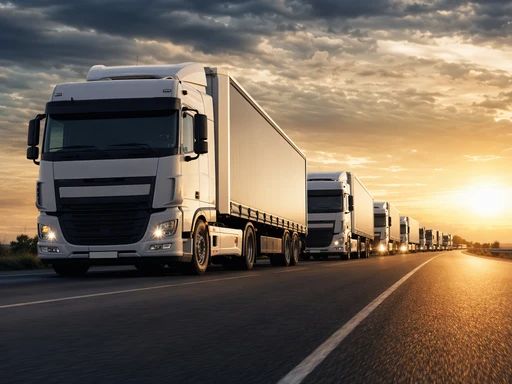
We connected OmniFleet’s driver app, vehicle tracking, dispatch and maintenance workflows in one fleet platform. Driver updates, delivery evidence and live trip information reach the operations team, while fuel analytics and vehicle health signals support planning and cost control.
- Client
- OmniFleet
- Sector
- Fleet & logistics operations
- What we built
- A connected fleet platform with driver apps and AI analytics
- Headline outcome
- 25% lower fuel costs
Dispatch could not see the whole operation in time to act.
Disconnected systems and manual updates made it difficult to follow vehicles, routes and driver work in real time. Fuel costs lacked clear consumption context, maintenance was reactive, and customers waited for reliable delivery updates.
OmniFleet needed a platform that linked the event in the field to the next operational action: a route deviation reaching dispatch, proof of delivery updating the trip, or a vehicle health signal informing maintenance.
The field event becomes part of the operating record.
Driver workflows and proof of delivery
A mobile application supports daily tasks, hours, routes and digital proof of delivery through signatures and photos, connecting the driver’s work to the office.
Live fleet tracking and trip coordination
GPS and geofencing provide locations, facility entry and exit events, route deviation alerts and trip history. Multi stop planning, ETA forecasts and exception updates keep the trip state visible.
Fuel and vehicle health intelligence
Analytics track consumption, MPG and cost trends. Telematics data informs preventive maintenance scheduling and vehicle health monitoring.
Dispatch and compliance visibility
A central dashboard supports assignment using location, qualifications and capacity. Compliance records, reporting and audit trails stay connected to fleet operations.
Mobile, telemetry and office workflows working together.
A common operational view
Driver updates, vehicle events and delivery exceptions feed the records used by dispatch.
Real time system connections
Live tracking and trip status updates support timely decisions across the fleet.
Modular delivery foundations
Architecture, automated checks and deployment pipelines support incremental upgrades and future features.
Incremental delivery around the fleet’s daily work.
Discovery mapped the fleet workflows and defined operational KPIs. Sprint based delivery, testing and stakeholder reviews introduced the platform upgrades in increments.
- 01
Map the fleet workflows
Identify visibility gaps, fuel waste, maintenance triggers and the events dispatch needs.
- 02
Connect the platform
Join driver tasks, GPS events, trip management and the operations dashboard.
- 03
Review operational performance
Use fuel, delivery and administrative measures to assess the platform changes.
A connected fleet with less operational waste.
reduction in fuel costs
improvement in on time deliveries
reduction in manual administrative tasks
These results are reported in the supplied OmniFleet project case study. The source does not specify the measurement period or fleet sample.
A few useful
questions.
Where is AI used in this platform?
The project account describes AI powered fuel analytics and dispatch support alongside GPS tracking, driver workflows and trip management.
How does this help the customer experience?
Live status updates, exception alerts and ETA forecasts give the operator better information to communicate about the delivery.
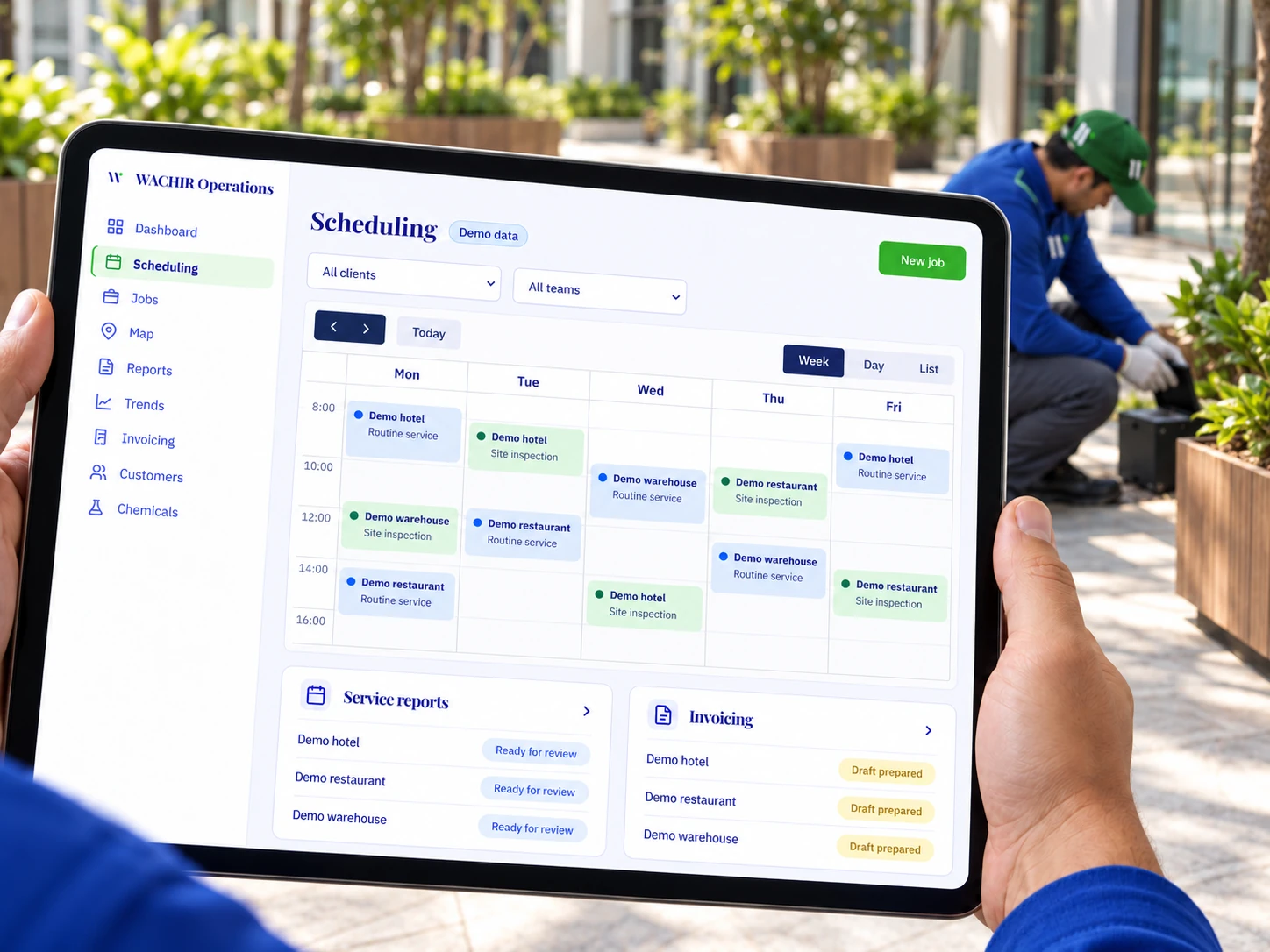
Building an owned, bilingual platform for scheduling, service reports, invoicing and customer visibility.
Read the case study
Building Frontdoor for transaction records, commission workflows and financial reporting.
Read the case studyWhich field update arrives too late for your team to act?
From the first proof to a working implementation. We’ll explore the workflow, the systems involved and a practical first build.