Keller Williams: bringing transactions, commissions and reporting into one financial view.
We built Frontdoor, an internal financial platform for Keller Williams. It connects real estate transactions, agent commissions and invoices with the dashboards and reports financial teams use to track performance and reconcile the numbers.

- Client
- Keller Williams
- Sector
- Real estate & financial operations
- What we built
- A custom financial and transaction platform
- Headline outcome
- $4.5B+ in tracked transaction volume
A transaction is only the start of the financial work.
Behind a real estate transaction sit commission structures, invoices, financial records and reporting responsibilities. The financial team needs those records to agree before it can explain performance or reconcile what is owed.
Keller Williams needed an internal platform capable of handling transaction volume alongside detailed agent economics. Management needed usable financial visibility, while the teams responsible for the numbers needed the underlying transaction and commission records to remain connected.
A financial backbone built around the transaction.
Transaction and commission processing
We built the backend for recording transactions and processing agent commissions and invoices. The platform keeps those financial steps connected rather than treating each as a separate reporting exercise.
Financial KPIs and goal tracking
Dashboards give financial departments a view of current KPIs, regional goals and performance. Management can work from a common set of operational records.
Enterprise reporting
A reporting module turns transaction and financial data into exportable views, supporting reconciliation and management reporting from the same platform.
The records have to agree before the dashboard can help.
Connected financial logic
Transaction, commission and invoice workflows are designed together so the reporting reflects the operational record.
Secure platform architecture
The delivery includes the cloud and application architecture behind the internal financial system.
Engineering across the real estate estate
The wider relationship also included work on KW Command’s international currency, language and regional requirements. That is a separate delivery from Frontdoor.
From financial rules to a usable internal platform.
The delivery joined application engineering with the workflows of the internal financial departments, covering the transaction engine, operating views and reporting.
- 01
Model the financial work
Translate the transaction and commission requirements into the platform’s records and processing logic.
- 02
Build the operating views
Connect invoices, KPI dashboards and regional goal tracking to the financial backend.
- 03
Make reporting usable
Provide exportable financial views for the teams handling reconciliation and management reporting.
Financial visibility at transaction scale.
transaction volume tracked in the project’s financial platform
transaction, commission and invoice records
KPI and reporting views for financial teams
The transaction figure describes tracked volume in the supplied portfolio account. It is a measure of platform scope, not revenue generated by the implementation.
A few useful
questions.
What does Frontdoor connect?
The platform connects real estate transaction records with agent commissions, invoices, financial KPIs and exportable reporting. Financial teams can follow the operational record behind the numbers.
Was KW Command part of the same platform?
Frontdoor and KW Command are separate deliveries. The wider relationship included international currency, language and regional capabilities for KW Command; this case focuses on the financial and transaction platform.
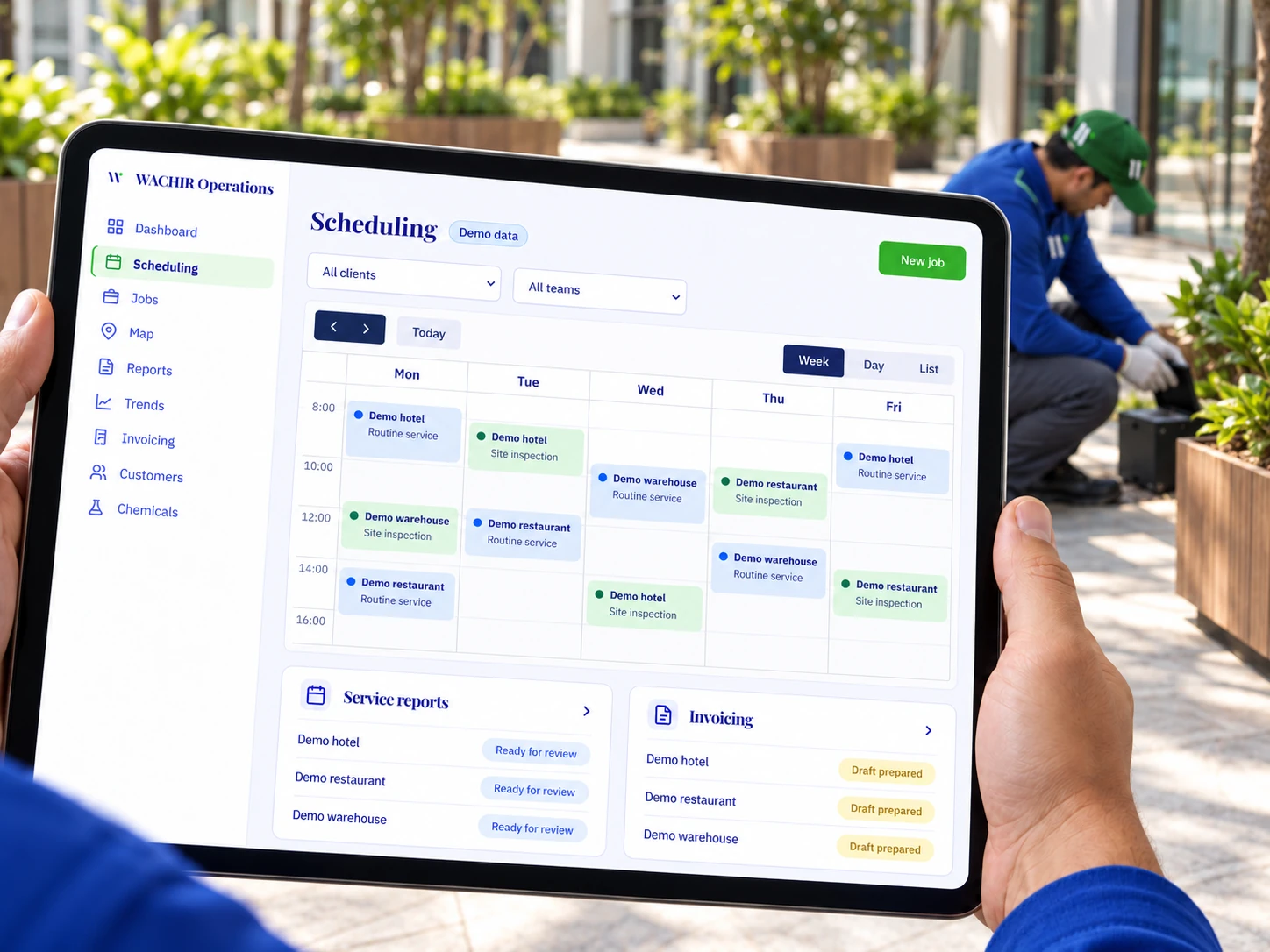
Building an owned, bilingual platform for scheduling, service reports, invoicing and customer visibility.
Read the case study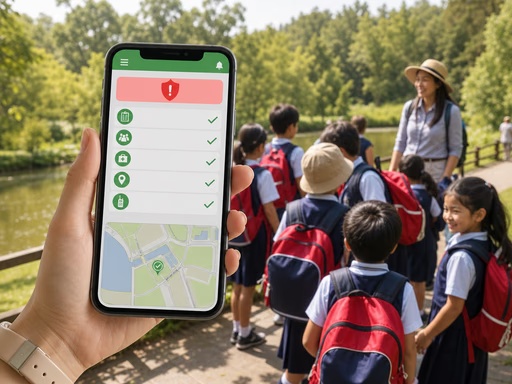
Connecting itinerary preparation, safety review and school trip approvals in one workflow.
Read the case studyCan your team trace the number on the dashboard back to the work?
From the first proof to a working implementation. We’ll explore the workflow, the systems involved and a practical first build.