ETI360: school trip planning with safety and approvals built into the journey.
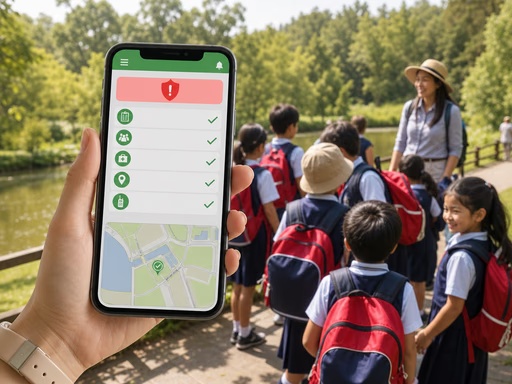
We helped ETI360 connect itinerary preparation, safety review and approvals in one trip planning platform. Schools and travel providers work from a shared trip record, with documents converted into structured itineraries and leadership reports drawn from the current plan.
- Client
- ETI360
- Sector
- Education & travel operations
- What we built
- A custom trip planning and approval platform
- Headline outcome
- Planning, safety and sign off in one connected workflow
The trip could be planned before the risks were visible.
Trip details lived in emails, spreadsheets and documents. Coordinators manually turned long documents into itineraries, while schools and providers worked on different versions. Approval responsibility was unclear and leadership reporting required another round of preparation.
Safety checks arriving late left less time to correct a plan. ETI360 needed the itinerary, risks, stakeholder updates and sign offs to move together, so approval meant reviewing a complete trip record rather than assembling one.
A shared trip record from creation to finalisation.
Structured itinerary preparation
Unstructured trip documents are converted into usable itinerary records with activity dates and locations. A step by step planning flow gives coordinators a consistent way to create and review each trip.
Safety review earlier in planning
A dedicated risk identification layer flags concerns before final approval, giving the responsible people time to investigate and adjust the plan.
Role based approvals and collaboration
Multi stage sign offs clarify responsibility and reduce conflicting document versions. Schools and external providers work in a shared space with current trip information.
Reports and reusable trip frameworks
Leadership reports summarise safety, scheduling and approval status. Reusable templates support consistent planning across trips, destinations and coordinators.
The approval has to belong to the current plan.
Structured data from documents
Itinerary extraction moves dates, locations and activities into records that the planning workflow can use.
Explicit sign off roles
Approval stages make responsibility and progress visible to the people coordinating the trip.
Reporting from the workflow
Leadership views use the trip record, keeping planning, safety review and status reporting connected.
Designed with the people planning and reviewing trips.
Workflow mapping with trip planners identified the bottlenecks. A phased delivery model brought feedback into the product while keeping safety requirements part of the design from the start.
- 01
Map the planning process
Follow the documents, coordination points, safety checks and approvals in the existing journey.
- 02
Build and review in phases
Introduce structured planning and stakeholder workflows with feedback from the people using them.
- 03
Standardise repeated work
Add reusable frameworks and leadership reporting to support growing trip volumes.
A clearer plan before the school signs it off.
itineraries prepared from unstructured trip documents
risk identification within the planning process
approval responsibility and leadership reporting
A few useful
questions.
What part uses AI?
The document processing work converts unstructured trip details into structured itinerary data. Safety review and approvals remain part of the wider workflow for the responsible people.
Does the platform replace a school’s safety judgement?
The platform organises the plan, surfaces risks and records approvals. The school and its authorised reviewers retain the go/no go decision.
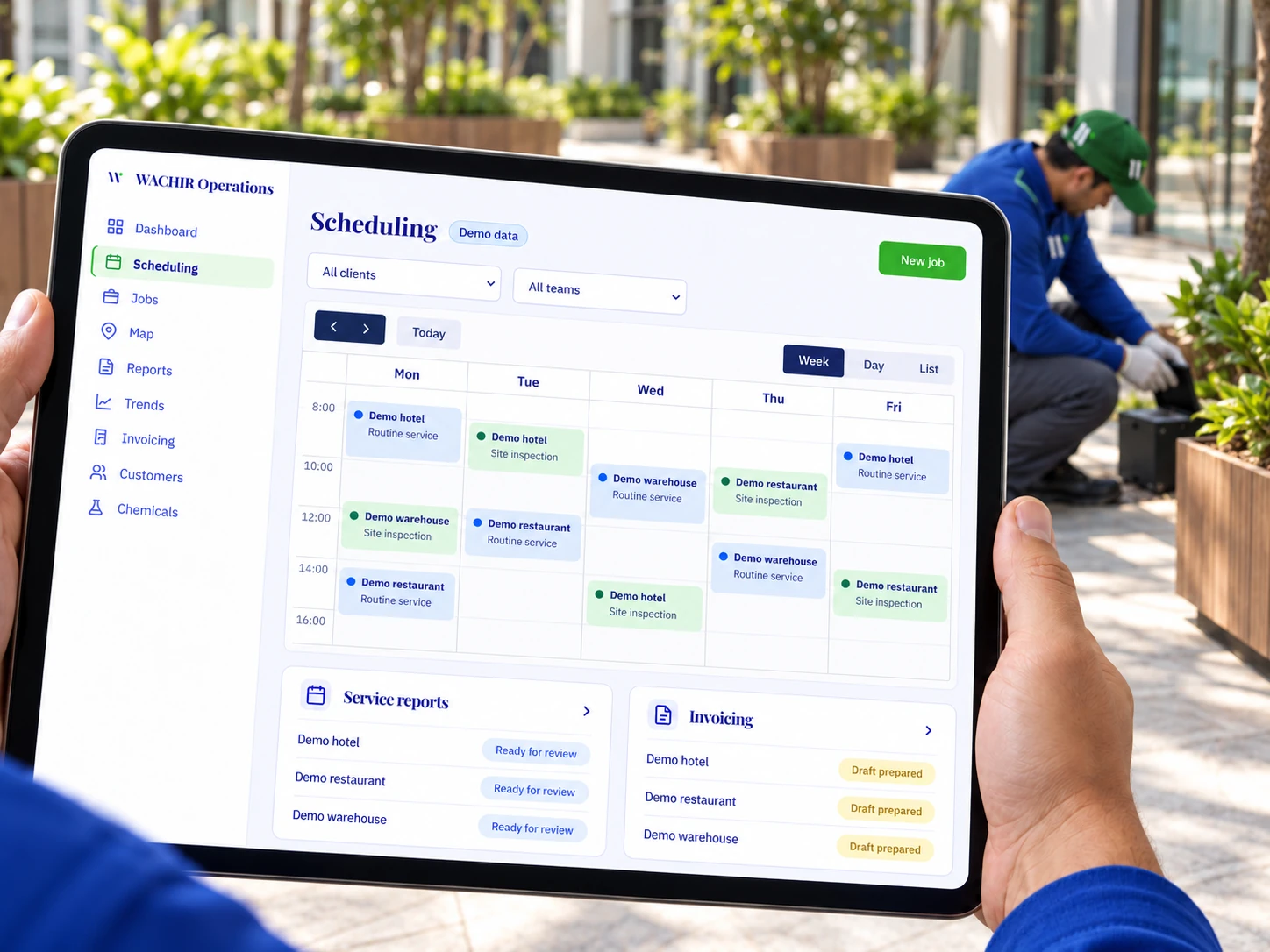
Building an owned, bilingual platform for scheduling, service reports, invoicing and customer visibility.
Read the case study
Building Frontdoor for transaction records, commission workflows and financial reporting.
Read the case studyWhich approval still starts with someone rebuilding the file?
From the first proof to a working implementation. We’ll explore the workflow, the systems involved and a practical first build.