Distil.ai: customer data and segmentation workflows on a stronger product foundation.
We worked alongside Distil’s product and data teams to rebuild the interfaces and engineering behind its customer data platform. The delivery brings clearer audience and segmentation views, preserves existing business rules and integrations, and adds automated checks for future releases.

- Client
- Distil.ai
- Sector
- Customer data & marketing analytics
- What we built
- Customer data interfaces, integrations and analytics workflows
- Headline outcome
- A modular, tested foundation for customer intelligence
A unified customer view needs a product people can use.
Distil brings data from purchases, browsing and engagement into customer intelligence. Its users need to understand audience behaviour and build useful segments without becoming data engineers themselves.
As requirements and data volumes grew, the existing architecture made change harder. The work had to improve the interface and underlying engineering while preserving business rules and existing connections to platforms such as Shopify, Klaviyo and Dotdigital.
Clearer customer workflows on stronger engineering foundations.
Business logic understood before change
We analysed the existing rules, workflows and data interactions and documented them before restructuring the platform. Preserving customer behaviour was part of the delivery.
Customer data and segmentation interfaces
A modular React and TypeScript interface brings data exploration and audience workflows into clearer views. Nivo charts support visual segmentation by behaviour, purchase trends and demographics.
Integration continuity
The work preserved compatibility with existing ecommerce and marketing integrations, keeping customer data workflows connected as the platform evolved.
Automated checks across the platform
Unit, integration and end to end testing protect the business logic and user journeys, giving the product team a more dependable foundation for subsequent releases.
Improve the product without losing the logic that runs it.
Work in the client’s engineering flow
Our engineers worked inside Distil’s repositories, code standards, review process and delivery pipelines.
Modular application structure
Reusable components and clearer boundaries make data interfaces and future features easier to change.
Release confidence
Automated testing checks the platform’s behaviour as the interface and underlying architecture evolve.
Alongside the product and data teams.
Discovery mapped the data flows, user pain points and architecture. Incremental delivery and regular demos let Distil review changes in the context of its existing product.
- 01
Understand the running platform
Capture the business rules, workflows and customer data interactions that need to remain intact.
- 02
Improve in increments
Rework architecture and interfaces through reviewed releases and stakeholder feedback.
- 03
Protect the next release
Build documentation and automated checks into the engineering foundation.
Customer intelligence with a clearer path to use.
customer data exploration and segmentation views
existing ecommerce and marketing integrations
business logic and user journeys across releases
A few useful
questions.
How did the work fit into Distil’s existing platform?
Our engineers worked inside Distil’s repositories and review process, documenting existing business rules and preserving integration compatibility while improving the architecture and interfaces.
What protects the product as it changes?
Unit, integration and end to end tests check business logic and user journeys. Documentation and modular components give the product team a clearer foundation for subsequent releases.
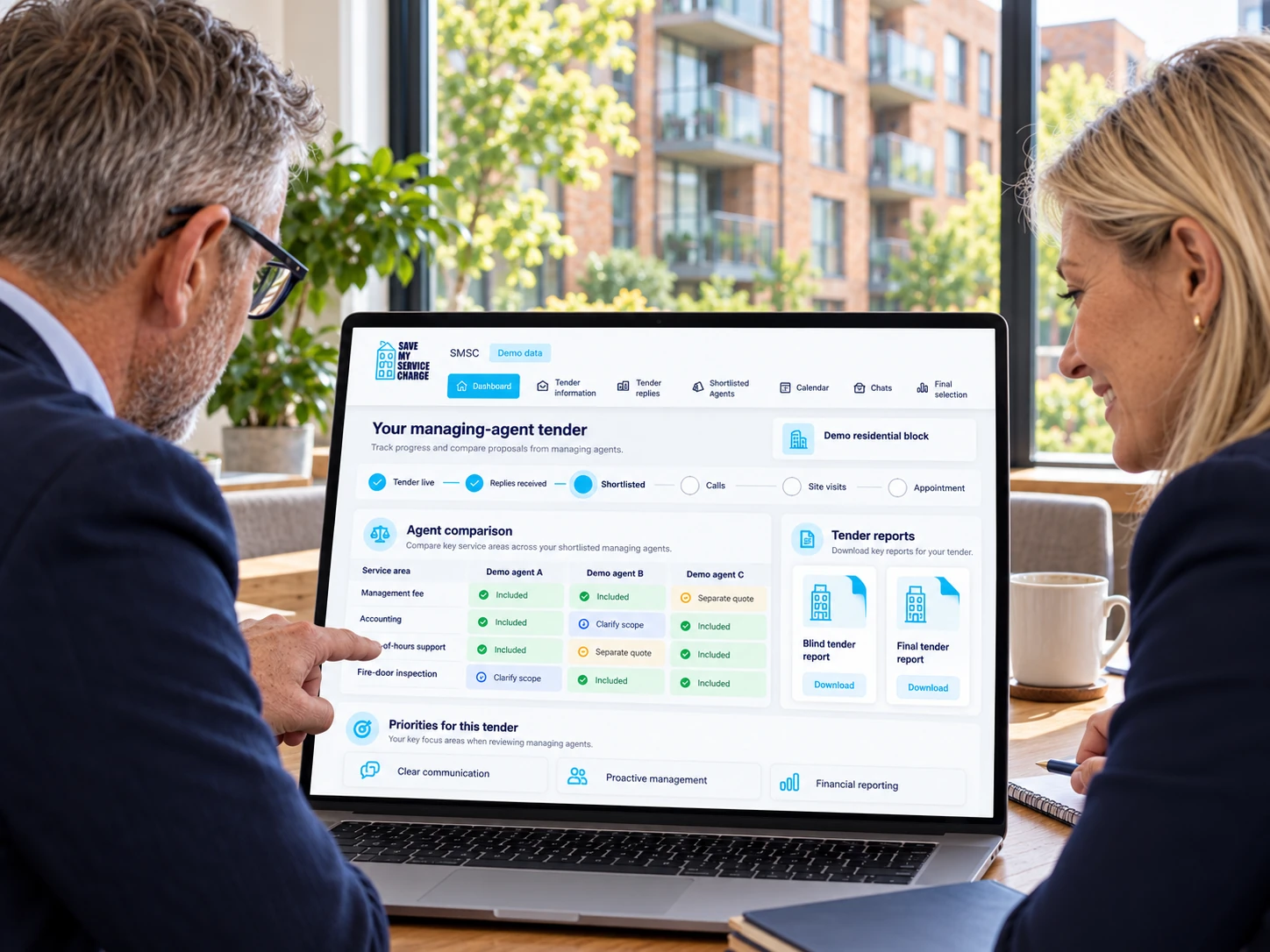
A custom property platform connecting onboarding, tender selection, follow up and payments.
Read the case study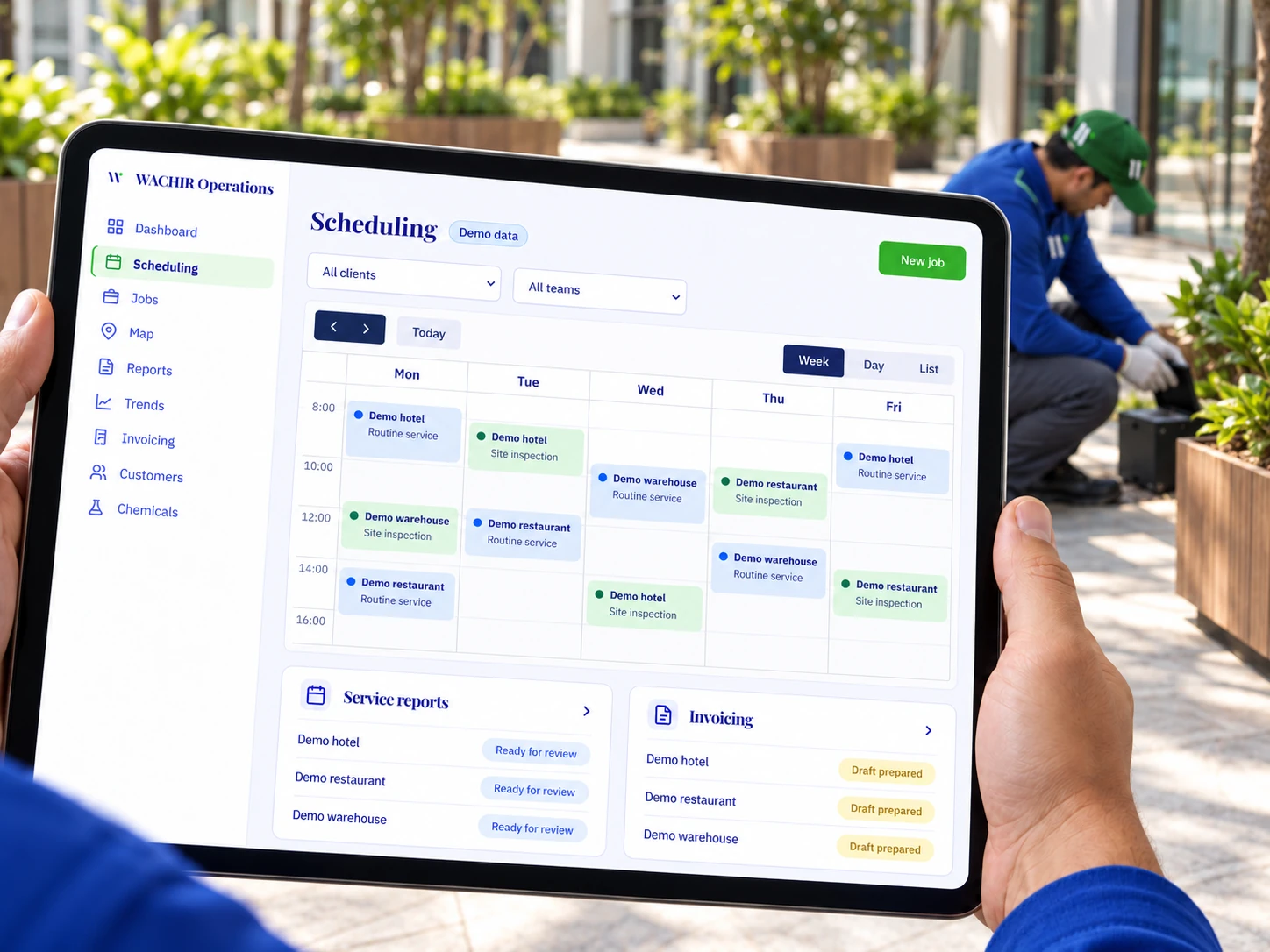
Building an owned, bilingual platform for scheduling, service reports, invoicing and customer visibility.
Read the case studyCan people act on your data without another export or workaround?
From the first proof to a working implementation. We’ll explore the workflow, the systems involved and a practical first build.